
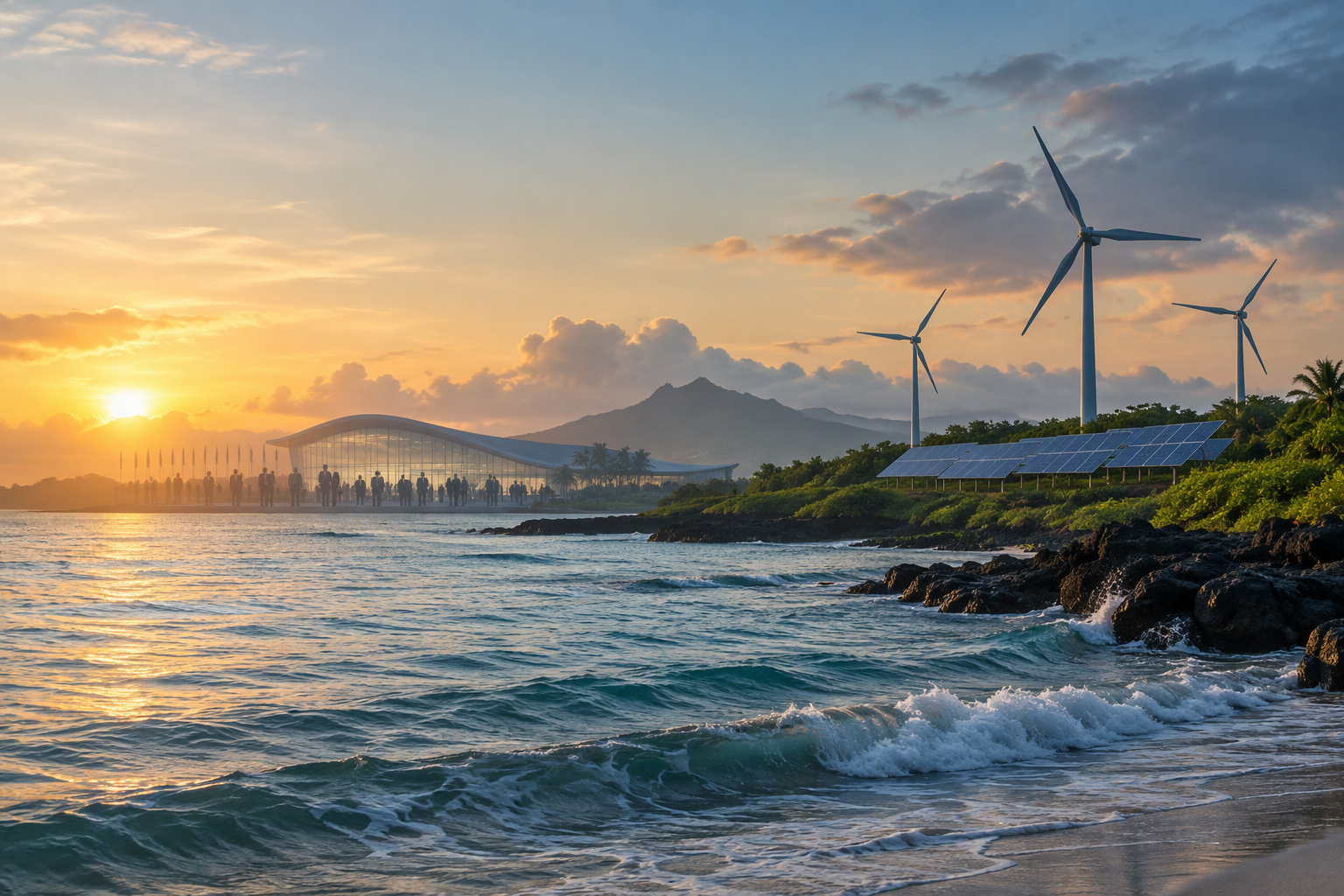
COP31 has entered its final negotiations in Antalya, Türkiye, with governments and observers focused on turning climate commitments into practical action.
The annual United Nations climate summit brings together almost 200 countries to negotiate cooperation on climate change. This year’s programme has placed particular emphasis on implementation, climate finance and solutions that can be delivered in communities around the world.
From promises to delivery
The central question at COP31 is not only what countries are willing to promise, but how those promises can be funded and put into practice. Discussions are covering clean energy, resilient cities, food security, health systems, youth and education, oceans and green industrial development.
That focus matters to island communities. Places surrounded by water often face a combination of coastal pressure, changing weather patterns, infrastructure costs and the need to make energy systems more resilient. The Isle of Wight is part of a much wider conversation about how communities can prepare for climate risks while protecting homes, businesses and local environments.
Two zones, two roles
COP31 is divided between the Blue Zone and the Green Zone. The Blue Zone is where accredited delegates, national representatives and observers take part in official negotiations. The Green Zone is designed for public participation, exhibitions, organisations and discussions about practical climate solutions.
This split reflects the wider challenge facing climate policy: formal agreements matter, but so does the work of councils, businesses, researchers and residents who must turn those agreements into real changes.
Why climate finance remains important
Many of the proposals discussed at COP31 depend on investment. Cleaner energy, flood resilience, public transport, nature recovery and more efficient buildings all require long-term planning and reliable funding.
For smaller communities, access to finance can be just as important as the technology itself. Local projects need support that is practical, affordable and suited to the conditions on the ground.
What happens next
As the final negotiations continue, the outcome will be judged by whether countries can find common ground and set out a credible route from agreement to delivery. The most meaningful results will ultimately be measured outside the conference venue, in the resilience of communities and the pace of the clean-energy transition.
For the Isle of Wight and other island communities, COP31 is a reminder that global climate decisions are connected to local choices about energy, planning, transport, coastlines and the future of the places people call home.
This article is based on information published by the official COP31 Presidency during the final negotiations in November 2026.